
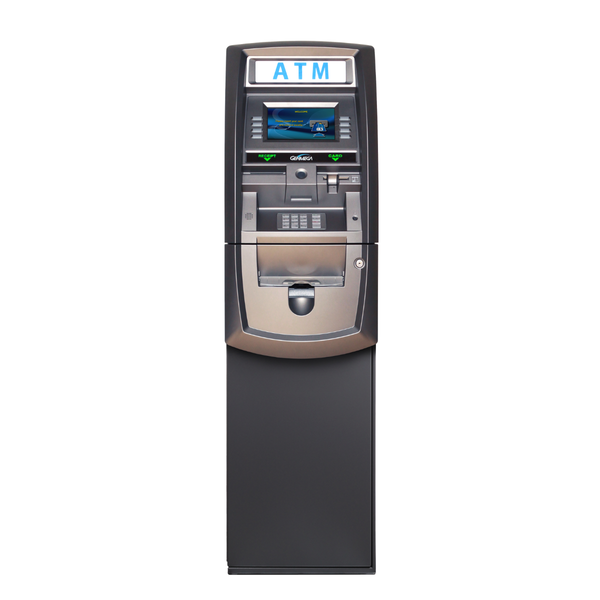
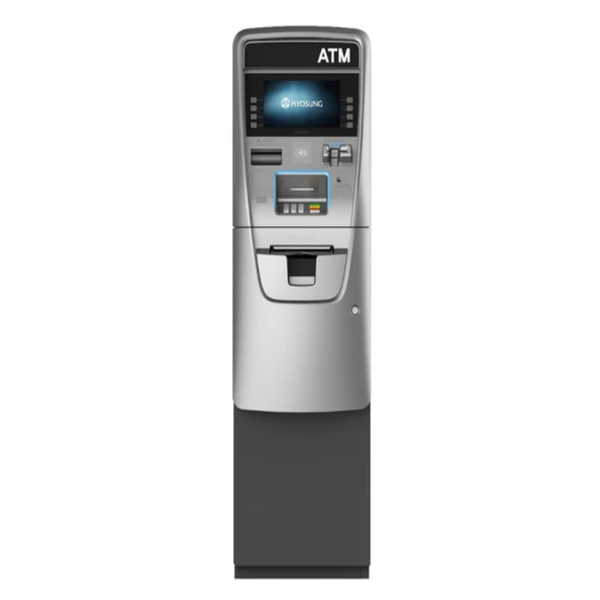
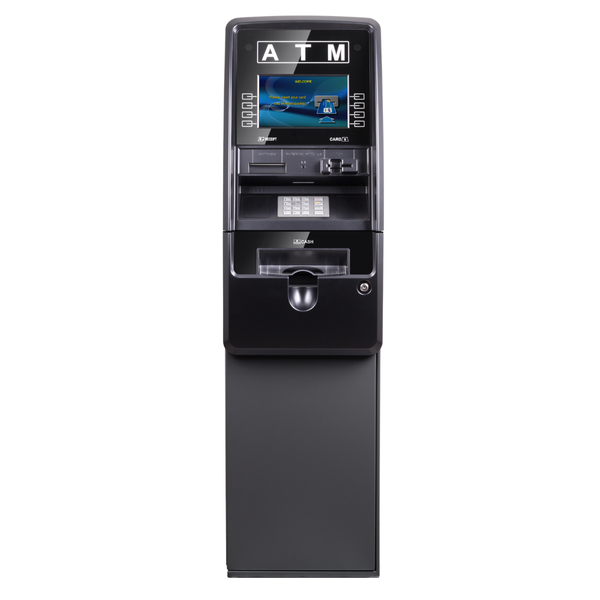
ATM placement means choosing where to put a machine based on foot traffic, how often people in the area use cash, and how close the nearest bank branch or competing ATM is. A well-placed machine can process two to three times the monthly transaction volume of a poorly placed one, even with identical hardware.
Cash still drives plenty of everyday purchases at local retail stores, even as digital payments grow. For business owners and ATM operators, the right location can turn a machine into a steady source of passive income.
ATM Placement: Locations, Models, and Costs
Learn how ATM placement works, which businesses make suitable locations, and how placement agreements affect costs and surcharge revenue.
| Question | Short Answer |
|---|---|
| What is ATM placement? | Installing an ATM in a host business, with surcharge revenue shared according to a written agreement. |
| Best locations | Convenience stores, gas stations, laundromats, bars, and grocery stores with steady foot traffic and limited nearby ATM competition. |
| Best spot inside a store | Near the entrance or checkout, in a well-lit and easily visible area. |
| Placement models | Free placement, revenue sharing, or retailer-owned ATM. |
| Location's share | Often 20–30% of each surcharge, depending on the placement agreement. |
| Cost to the store | Free placement typically requires no upfront machine purchase. Buying the ATM costs more initially but allows the retailer to retain the full surcharge revenue before other expenses. |
What Are ATM Placement Services?
ATM placement services connect operators who supply and maintain the machine with
businesses that have the foot traffic to host one. The store provides the space,
the operator handles everything else, and both sides split the surcharge revenue.
Why Are Retail Stores Good for ATM Locations?
Retail stores naturally attract steady foot traffic. Whether customers are grabbing a drink, picking up groceries, or filling up their gas tank, adding an on-site ATM gives them one more reason to visit. Industry data shows that nearly 25% of the cash withdrawn from ATMs is spent right inside the host store. That means your ATM isn’t just earning through surcharge fees, it’s also helping increase store sales.
At ATMTrader, we often recommend placing machines in high-traffic spots like convenience stores, gas stations, supermarkets, shopping centers, laundromats, and even vape shops. These locations consistently show strong performance and offer solid returns for both store owners and operators.
Which types of stores work best for ATM placement?
Convenience stores, gas stations, grocery stores, strip malls and laundromats are the most reliable ATM locations, because they combine steady traffic with customers who use cash. Here’s a quick comparison of common retail formats and how to approach ATM placement in each:
Best Retail Locations for ATM Placement
Compare common retail formats to identify promising ATM placement opportunities, evaluate potential risks, and choose the best spot inside each business.
| Retail Format | Pros | Risks | Placement Tip |
|---|---|---|---|
| Convenience Store / Gas Station | 24/7 traffic and impulse purchases. | Limited space and security concerns. | Place near the counter or drink refrigerator, where the ATM is visible and accessible. |
| Grocery Store | Longer dwell times and large shopping baskets. | Competing ATMs nearby. | Position near customer service or the front entrance. |
| Strip Mall | Steady foot traffic from multiple businesses. | Lower evening traffic. | Choose a shared entrance or main walkway with strong visibility. |
| Laundromat | Captive customers and steady visitor flow. | Smaller potential customer base. | Place near vending machines, folding tables, or seating areas. |
Each store type serves a different customer profile, so matching your ATM to the needs and habits of local shoppers is key.
Where to Place the ATM Inside the Store?
Put the ATM where customers naturally walk or wait, such as near the main entrance, beside the checkout counter, or next to drink coolers and impulse displays. The most effective ATMs are installed where people naturally walk or pause, such as near the main entrance, close to the checkout counter, or next to high-traffic areas like drink coolers or impulse displays.
Avoid placing the machine behind aisles or in dimly lit corners. It should be easy to see, well-lit, and ADA-compliant. Simply moving an ATM to a more visible spot can often lead to a noticeable increase in transactions.
If you’re unsure about the ideal location, the ATMTrader team can help. Contact us to discuss the best placement for your ATM.
What ATM placement models work best?
There are three common ATM placement models: free placement, revenue sharing, and retailer-owned, and the right one depends on who buys the machine and who handles the cash.
Free ATM Placement: The operator supplies the machine, manages all maintenance and cash loading, while the store provides space and earns a share of the surcharge fees.
Revenue-Sharing Model: The store may assist with tasks like cash loading in exchange for a higher portion of the revenue.
Retailer-Owned: The store purchases the ATM, keeps 100% of the surcharge revenue, and either manages or outsources the maintenance.
For example, a machine with 500 monthly transactions at a $2.50 surcharge generates $1,250 in gross revenue. With the right business model, both the store owner and the operator can benefit from a steady stream of income.
Not sure which setup is right for you? The ATMTrader team can guide you through your options and help you choose a model that fits your goals, budget, and resources.
What Makes an ATM Safe, Reliable, and Worth Using?
A successful ATM needs to be both secure and reliable. If a machine feels unsafe, customers are likely to avoid it. And when the ATM is down, you miss out on potential revenue. To keep things running smoothly, place your machine in a well-lit, visible area with camera coverage.
Add physical protection, like bollards, in exposed locations. It’s also important to work with a trusted partner for remote monitoring and fast maintenance. This is where ATMTrader can support you, offering reliable service plans, expert advice, and ongoing support to keep your machine performing at its best. Regular maintenance helps prevent issues like empty cassettes or technical problems. A well-maintained ATM builds trust, and trust brings repeat use.
What Are Smart Ways to Boost ATM Revenue in Retail Stores?
Once your ATM is installed, the next step is encouraging regular use. Adding services like mobile top-ups, bill payments, or crypto purchases can attract more users. Simple tools like window decals or ATM signs also help draw attention. You can partner with store owners on small promotions, such as offering a discount with an ATM withdrawal, or connect usage to loyalty programs and digital coupons. These small efforts can lead to steady growth. ATMTrader can support you with ideas, tools, and resources to help increase foot traffic and maximize your ATM’s earning potential.
Are You Treating Your ATM Like a Real Business Asset?
Your ATM isn’t just a machine, it’s a small business that can generate steady income when managed the right way. Every decision, from placement to upkeep, impacts your results. A good location with high visibility can turn an average machine into a strong source of revenue.
Whether you’re a store owner adding your first ATM or an operator growing your network, placement and reliable support are key. ATMTrader offers a wide range of ATM machines and expert guidance to help you choose the right setup for your space and start earning with confidence.
Frequently asked questions
How much money can an ATM make in a retail store?
It depends on transaction volume and surcharge fee. At 500 monthly transactions and the current national average surcharge of $3.22, a machine generates roughly $1,610 in gross monthly revenue before costs. Higher-traffic locations and higher surcharges both move that number up.
Does it cost anything to place an ATM in my store?
Not under a free-placement arrangement. The operator supplies and maintains the machine, and the store just provides the space in exchange for a share of the surcharge revenue. Buying the machine outright costs more upfront but keeps 100% of the surcharge.
Do I need to own the ATM to make money from it?
No. Under a free-placement or revenue-sharing model, the store earns a share of surcharge revenue without buying the machine or handling maintenance.
Do I need to be a bank to place an ATM in my store?
No. Most retail ATMs are independently owned and operated, not run by banks. Any retail business with the right space and foot traffic can host one.
How do I know if my store gets enough traffic for an ATM?
Steady daily foot traffic near a visible, accessible spot, like a checkout counter or entrance, is usually enough to support a machine. Convenience stores, gas stations, and laundromats tend to perform well because of consistent, repeat visits rather than occasional large crowds.
What is Free ATM Placement?
Free ATM Placement is the most common placement arrangement. The operator supplies
the machine, restocks the cash, and covers maintenance. The store owner provides
the location and earns a percentage of every surcharge transaction, with zero
upfront cost and no equipment to manage.
How do I get started with ATM placement services?
Contact the ATMTrader team with your location's foot traffic and layout. They'll
confirm whether it qualifies and walk you through setup.